
Who Created Bitcoin?
All we know about the creator of Bitcoin is a pseudonym: Satoshi Nakamoto. It could be a man, a woman, or a group of individuals, no one knows. Since Satoshi Nakamoto has been silent since 2011, the true identity of the creator of the largest cryptocurrency is still unknown. To prove his identity, he would have to use his private key to send a message.
Who Created Bitcoin? This article will certainly not pretend to answer this question, which has agitated experts and cryptocurrency enthusiasts alike for years. The aura of mystery that surrounds the pseudonym of Satoshi Nakamoto is intact and probably contributes to the current enthusiasm generated by Bitcoin and its successors. Let’s find out a little more about the journey of the creator(s) of Bitcoin in this article.
Who Is The Creator Of Bitcoin?
The creator of Bitcoin is known by the pseudonym Satoshi Nakamoto, who in 2008 published a whitepaper titled “Bitcoin: A Peer-to-Peer Electronic Cash System” to introduce the concept of a decentralized digital currency.
What is Bitcoin? For those who don’t know much about it, let’s first briefly explain how Bitcoin works. Bitcoin is above all a digital currency allowing its users to make currency peer-to-peer transactions.
Thanks to blockchain* technology, Bitcoin offers the possibility of making decentralized payments without a third party or trusted authority. With this mindset, Bitcoin was initially created to be an alternative system to banks.
Over time, Bitcoin gained popularity and Bitcoin price has skyrocketed but the true identity of Satoshi Nakamoto remains a mystery. The individual or group behind this pseudonym has managed to keep their identity a secret. Satoshi was actively involved in the development of Bitcoin until 2010, after which they ceased all known communication regarding the project.
Who Exactly Is Satoshi Nakamoto?
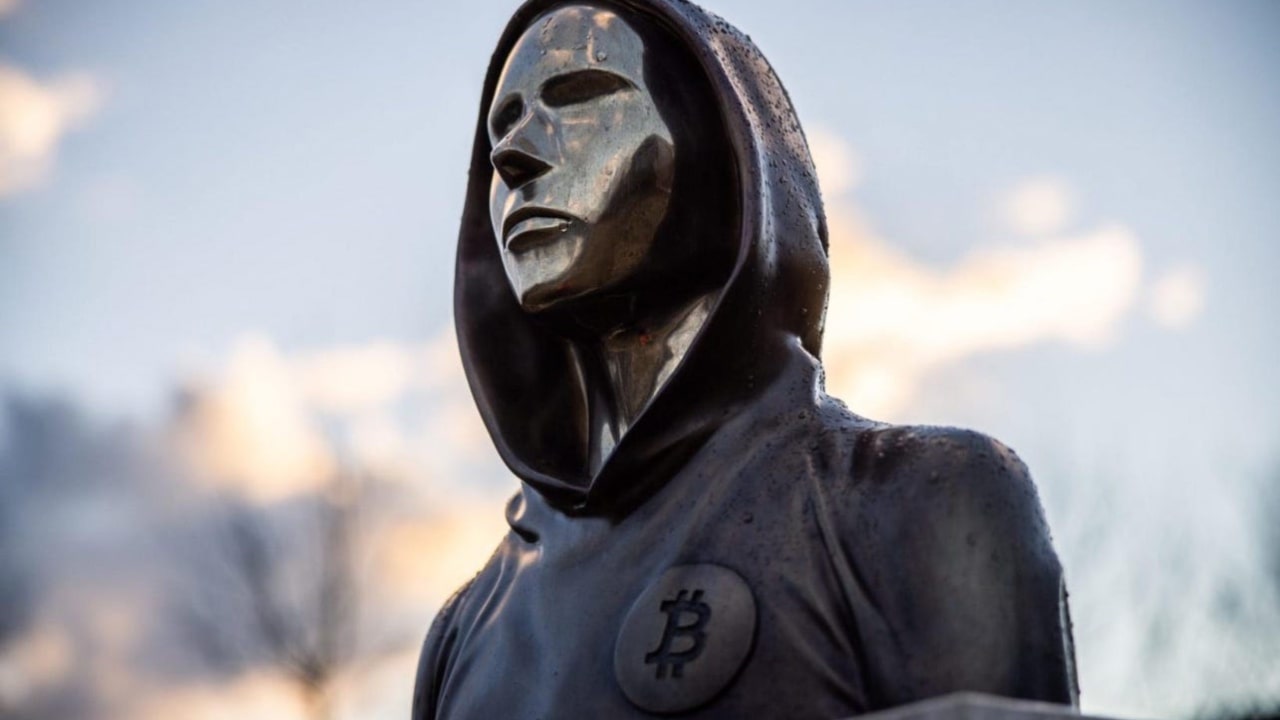
The quest to unveil who created Bitcoin has led to numerous theories and speculations. Several names have surfaced over the years, including Nick Szabo, Hal Finney, and Dorian Nakamoto.
- Nick Szabo is a cryptographer who designed a precursor to Bitcoin called “bit gold”. He has been one of the most frequently mentioned candidates to find an answer the “who created Bitcoin” question. This was due to the striking similarities in the writing style of his work and the Bitcoin whitepaper. However, he has denied being Satoshi.
- Hal Finney is another name comes to mind. He is a cryptographer and the first person to receive a Bitcoin transaction from Satoshi. When Bitcoin value started to ramp up he became is another prominent figure suspected of being the real Satoshi. This speculation is backed by his early involvement and significant contributions to Bitcoin’s development. Nonetheless, definitive proof linking Finney to Satoshi Nakamoto has not been found.
- Dorian Nakamoto, whose birth name is remarkably Satoshi Nakamoto, was also speculated to be the Bitcoin creator after a media report mistakenly identified him. He has since denied these claims and said he doesn’t know the answer to who created Bitcoin.
- Another surprising theory about who created Bitcoin claims that a consortium of leading technology companies were, in fact, the inventors of Bitcoin. Samsung, Toshiba, Nakamichi, and Motorola—the first letters of their names form the pseudonym Satoshi Nakamoto.
The true identity behind Satoshi Nakamoto remains one of the digital age’s most enduring mysteries, with no confirmed evidence pointing to any individual conclusively.
Who Owns the Key to the Wallet of Satoshi Nakamoto?
The questions surrounding the identity of the creator of Bitcoin also raise another mystery: why has Satoshi Nakamoto’s account never been touched? This account currently holds around 5% of existing bitcoins. Calculated with the current Bitcoin price, this amount can make someone in the top 100 richest people in the world list. We can think of several reasons why this account has never been touched. First, one could assume that it only belonged to one person, who unfortunately lost the key.
For some speculators, the inventor of Bitcoin might as well be a group of people, who each shared a piece of the key. One of them is said to be dead so this group have no possible access to the shared wallet.
Another hypothesis is that one of the members of the group has the key to the dead member, and is blackmailing the others by asking for more than 2/6th of the total.

Why Is Satoshi Nakamoto Trying To Keep Their Identity Anonymous?
It was in 2010 that Satoshi Nakamoto published his last message in a forum. The following year, he wrote to bitcoin contributors that he had “moved on ” and was unlikely to return. If it was a prophecy, it seems to have come true since they have never given any sign of life since. But why does Satoshi Nakamoto remain anonymous? There are several reasons for that.
- Security – The identity of Satoshi Nakamoto could make them a target for coercion, theft, or more severe forms of harm. By staying anonymous, Satoshi avoids personal risk as Bitcoin Value continues to grow, which could potentially attract threats from various entities or individuals.
- Decentralization – One of Satoshi’s apparent goals was to create a truly decentralized financial system. Revealing their identity could undermine this principle, as the community might look to them for leadership or authoritative guidance, centralizing authority in a system meant to have none. Thus, remaining anonymous reinforces the decentralized nature of the system, ensuring no single individual has control over Bitcoin value or its future.
- Technology Focus – By remaining faceless, Satoshi ensured that the discussion around Bitcoin value would focus on the technology itself rather than the creator. This has helped keep the development community focused on improving the technology rather than getting caught up in the cult of personality that often surrounds tech founders.
What Was The Purpose Behind Bitcoin’s Creation?
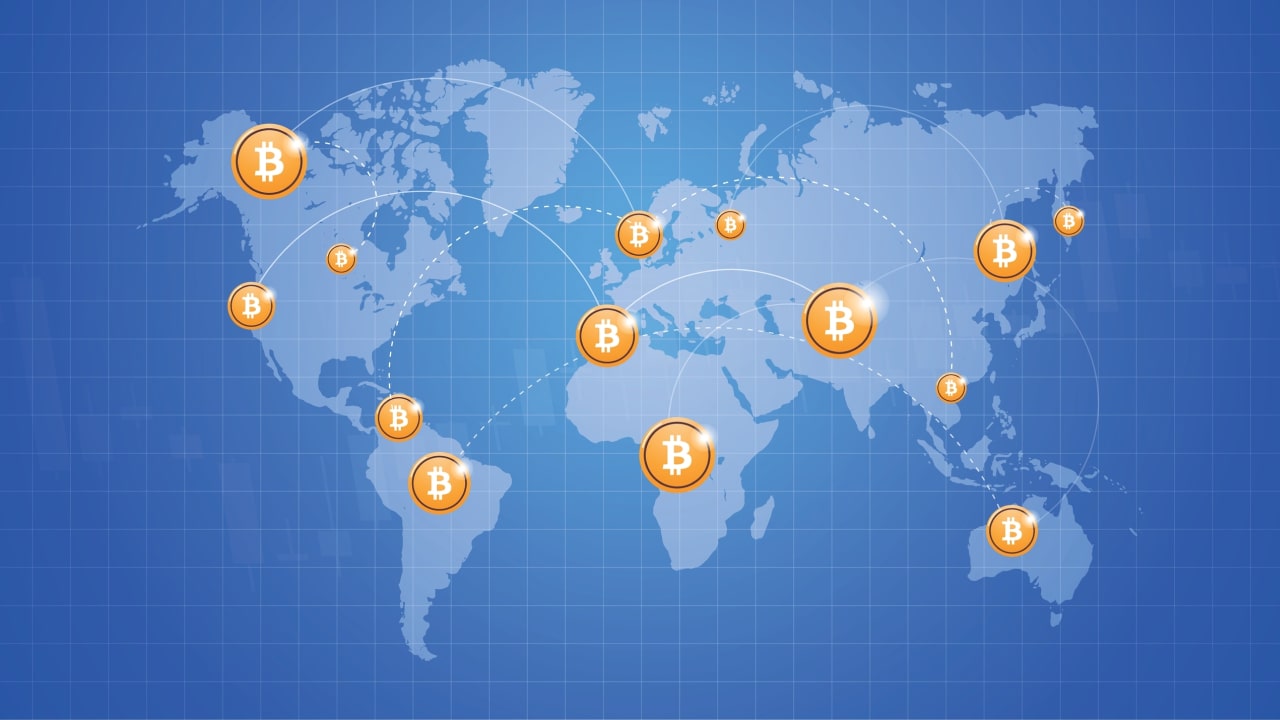
The purpose behind the creation of Bitcoin is articulated in Satoshi Nakamoto’s 2008 whitepaper, “Bitcoin: A Peer-to-Peer Electronic Cash System.” The primary goal was to establish a digital currency that operates independently of any central authority, is secure, and facilitates transactions without the need for intermediaries. Here are the key drivers for Bitcoin’s creation:
- Decentralization: Satoshi aimed to create a financial system where the control and trust exercised by institutions could be redistributed to the network’s users. This decentralization is seen as a way to reduce the monopolistic control of governments and big banks over financial transactions.
- Mitigating Trust Issues: Traditional banking systems are heavily reliant on trust in intermediaries like banks and credit card companies. Bitcoin was designed to minimize trust requirements by creating a verifiable, secure, and immutable ledger of transactions, thus reducing the possibility of fraud and corruption.
- Lower Transaction Costs: By eliminating intermediaries, Bitcoin was intended to lower the cost of transactions. This reduction in fees opens up financial services to a broader range of people, particularly those with less developed banking systems.
- Privacy and Security: Bitcoin transactions offer strong privacy protections compared to traditional financial systems. Users can maintain multiple addresses, and unless information is deliberately disclosed, transactions do not have inherently tied identities.
- Response to Financial Crisis: The timing of Bitcoin’s emergence in 2008 is also significant, as it coincided with a severe global financial crisis. This period has shown the vulnerabilities within the traditional banking sector and the dangers of relying on central authorities. Bitcoin’s creation could protect individuals from the devaluation of the traditional money caused by a financial crisis. Since Bitcoin value is not tied to global financial markets it should not get affected by a global crisis.
Summary
Bitcoin was created by Satoshi Nakamoto to provide an alternative to the traditional banking system. It is designed as a decentralized, peer-to-peer electronic cash system that reduces the need for trust, cuts transaction costs, and offers enhanced security and privacy. But after collaborating with other developers to perfect his code, Satoshi disappeared from screens around 2011, and multiple theories have emerged over the years speculating about who created Bitcoin.
Some suggest that Bitcoin is likely the work of a group rather than an individual. These speculators argue that the complexity of creating such a system exceeds the capacity of one person. Others speculate that the real Satoshi Nakamoto might have passed away or chosen to remain anonymous to maintain the system’s integrity as it relies on collective trust rather than that in a single entity or individual.
Furthermore, if he suddenly decided to recover the bitcoins he owns at the current Bitcoin Price, Satoshi could collapse the system he created.
FAQ
-
Is Satoshi Nakamoto a real person or a pseudonym?
Satoshi Nakamoto is widely believed to be a pseudonym for an individual or group of individuals. Despite numerous investigations and claims over the years, the true identity behind this name has not been found yet. The good part of all this, the use of a pseudonym has helped focus attention on the technology rather than the creator.
-
What motivated the creation of Bitcoin?
Bitcoin was created in 2009, and the motivations behind its creation were multifaceted. The 2008 financial crisis played a significant role, highlighting the vulnerabilities and inefficiencies of the traditional banking system. Satoshi aimed to create a system where transactions and the issuance of money were governed by consensus instead of a centralized authority. They wanted to provide a secure and private way to conduct transactions without the need for a third party. Eliminating intermediaries from financial transactions could potentially reduce costs and make financial services more accessible worldwide.
-
How do Bitcoin transactions work?
Bitcoins are transferred between Bitcoin wallets. Each transaction is digitally signed for security and starts with one or more inputs, which are records of addresses from which the sender received Bitcoin previously. Each transaction also has one or more outputs, which are addresses that will receive the transferred Bitcoins. Once a transaction is initiated, it is broadcast to the Bitcoin network and validated by miners through the mining process. This involves solving complex cryptographic puzzles to add the transaction to the blockchain, a public ledger that records all transactions sequentially.
-
What are the security risks of using Bitcoin?
Bitcoin offers several security advantages thanks to its anonymous nature but there are some risks as well. For example, if a user’s Bitcoin wallet is compromised, there is no way to recover the lost Bitcoins. Phishing attacks, malware, or simply losing access to the wallet can result in irreversible losses.